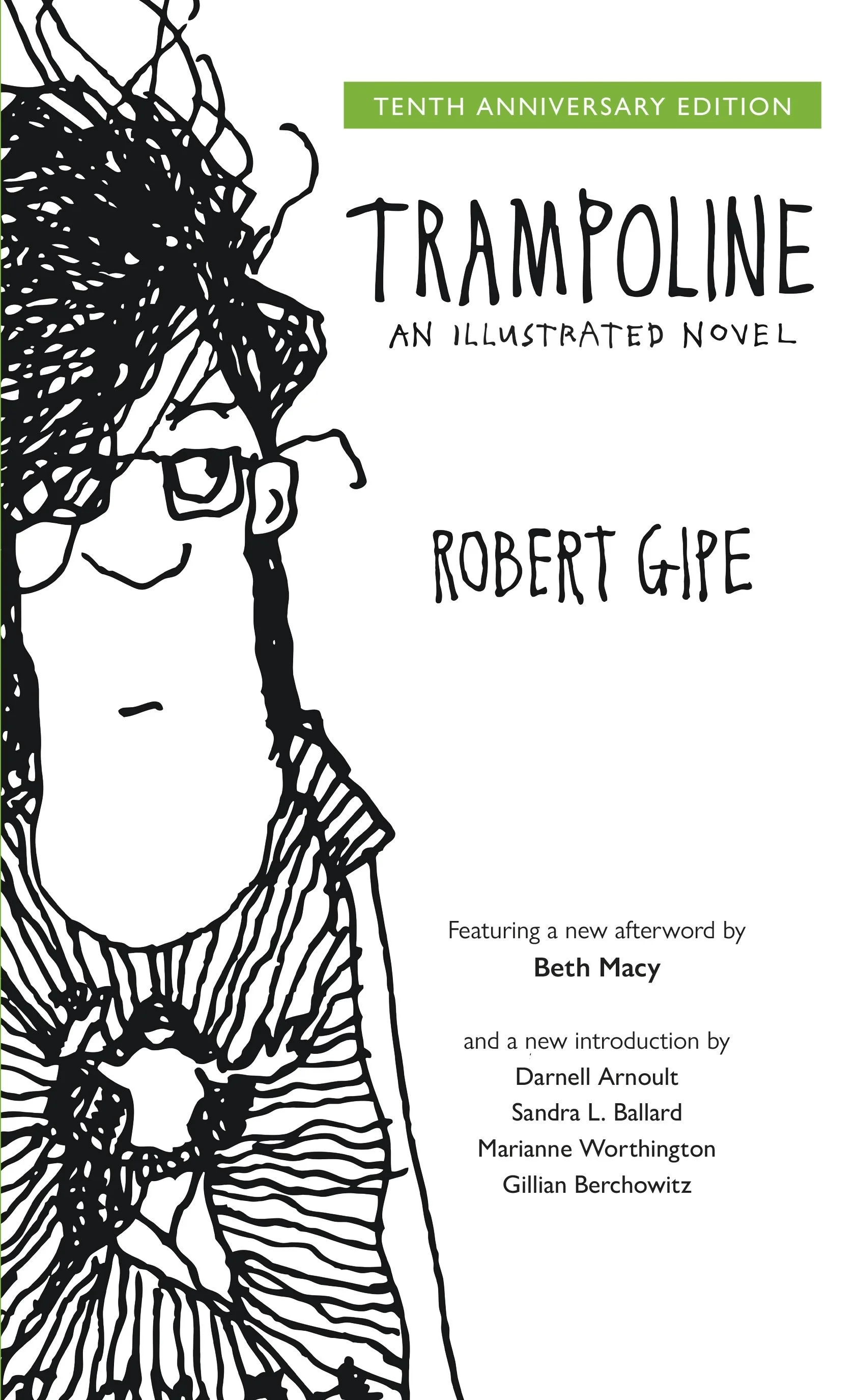

Robert Gipe, author of Trampoline, Weedeater, and Pop
Every once in a while you run up on a book that takes the stuff of life—the songs and the movies and the people that hurt us and the people that help us, what we eat and where we live, and mashes it all together on the page in a way that is beautiful and real and it makes you smile and makes you cry and makes your stomach hurt and makes you sputter in amazement that people can weave such magic out of twenty-six letters, a few punctuation marks, and a blank screen. Liner Notes by Jamie McDaniel is such a book.
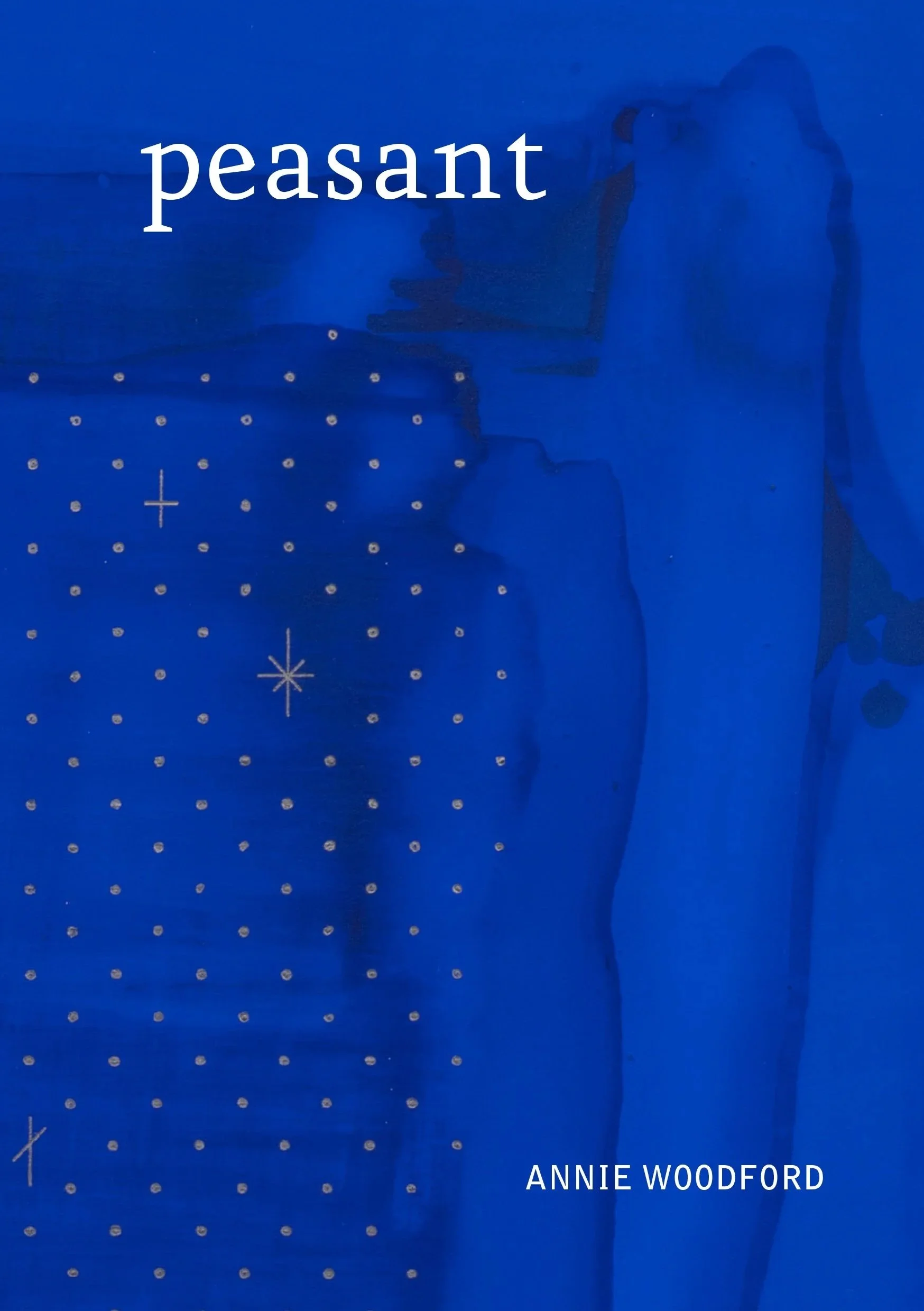
Annie Woodford, author of Peasant and Where You Come From Is Gone
The compellingly narrative poems in Jamie McDaniel's Liner Notes examine what it means to love others, to love this world, and to continue in that love despite terrible loss, despite how “grief is repetition.” McDaniel has constructed a rich, multi-layered text of complex form, allusion, and footnotes that intensify in effect as they reverberate with poems exploring how “multiplicities outnumber stars.” These poems of both theory and vulnerability are undergirded by a luminous attention to the ordinary details of life. Liner Notes is deeply immersed in place as both a source of painful memories and beloved specifics and that deep immersion demonstrates the undeniable life-force of a speaker who, like Taylor Swift reclaiming Ophelia, is “not drowned but choreographing, / not silencing but amplified.” This is a poet who hears the world in musical patterns, in “strophe, antistrophe / and epode,” in waltz time and “eighth notes,” “where grief can stutter but still move forward.” In a collection that is a profound homage to the poet’s personal songbook of all sorts of pop songs, Swift specifically is a muse of reinvention and survival, a reminder of beauty and resilience in a world where the speaker has “learned to dance underwater.”
Darby Price, author of All the Lands We Inherit
Like any good pop song, Jamie McDaniel’s Liner Notes is at once tender and unflinching, straightforward and beguilingly complex. The poems in this collection thread deftly between an open ache and a ferocity of perception and perspective—as simultaneously sweet and sharp as a Southerner saying “Bless your heart.” Packed with both pop culture references and the specifics of a small-town Southern life, McDaniel’s poems navigate the treacherous waters of grief with grace, humor, and courage. From queer love and identity to the local arcade, what emerges from these pages is not simply a collection about loss, but also a love letter to the body, to home in all of its permutations, and to those the leaving leave behind. This is a collection for anyone who knows that sorrow is predicated on joy, and mourning means celebrating the life that was lived. “Grief,” McDaniel argues, “is repetition,” and readers will find themselves returning to the pages of this brilliant debut time and time again.